Background
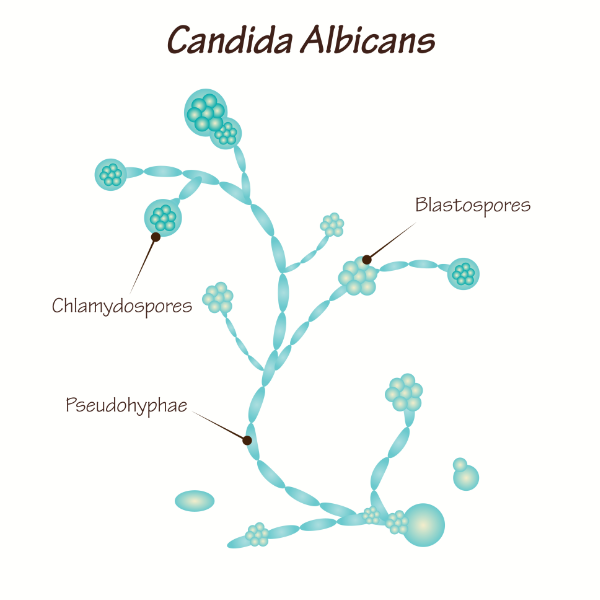
Candida albicans is a commensal yeast that turns pathogenic when host conditions shift. In chronic airway diseases - cystic fibrosis, non-CF bronchiectasis, and other forms of suppurative lung disease - long courses of antibiotics, damaged epithelium, and altered mucus environments create conditions in which C. albicans can colonise the lower airways, transition between yeast and filamentous forms, and contribute to inflammation and worse outcomes.
Despite this, fungal colonisation in chronic airways remains far less characterised than the bacterial communities that share the same space.
What we are doing
We characterise C. albicans isolates from people living with chronic airway disease, focusing on:
- Phase transitions - yeast-to-hyphae and back - under conditions that mimic the airway environment (oxygen tension, mucin presence, antibiotic pressure),
- Virulence determinants carried by clinical isolates,
- Antifungal susceptibility patterns and their evolution across longitudinal samples.
The work links cellular and molecular fungal biology to clinical microbiome composition.
Why it matters
Understanding when and why C. albicans shifts from commensal to pathogenic is a prerequisite for rational antifungal stewardship and for clinical decisions about when fungal involvement in chronic airway disease needs to be treated. The goal is to add a missing layer to the airway-microbiome picture - not just who is there, but what they are doing.